
Are All Rolling Sharpeners the Same? A Guide to Avoiding the Cheap Clones
If you've been searching for a rolling knife sharpener, you've likely noticed something strange: dozens of them look almost identical, but with wildly different prices and brand names. It’s enough to make any savvy Australian shopper rightly skeptical and ask, "Are these all the same, and is this just another gimmick?"
The simple answer is no, they are not all the same. The market has been flooded with low-quality clones, and the difference between a genuine precision tool and a cheap imitation lies in the details they don't want you to look at.
This guide is for the discerning home cook. We'll show you the red flags to watch for and empower you to spot true quality.
The 3 Red Flags of a Low-Quality Sharpener
The clones race to the bottom on price, which means they have to cut corners on quality. Here’s what to look out for:
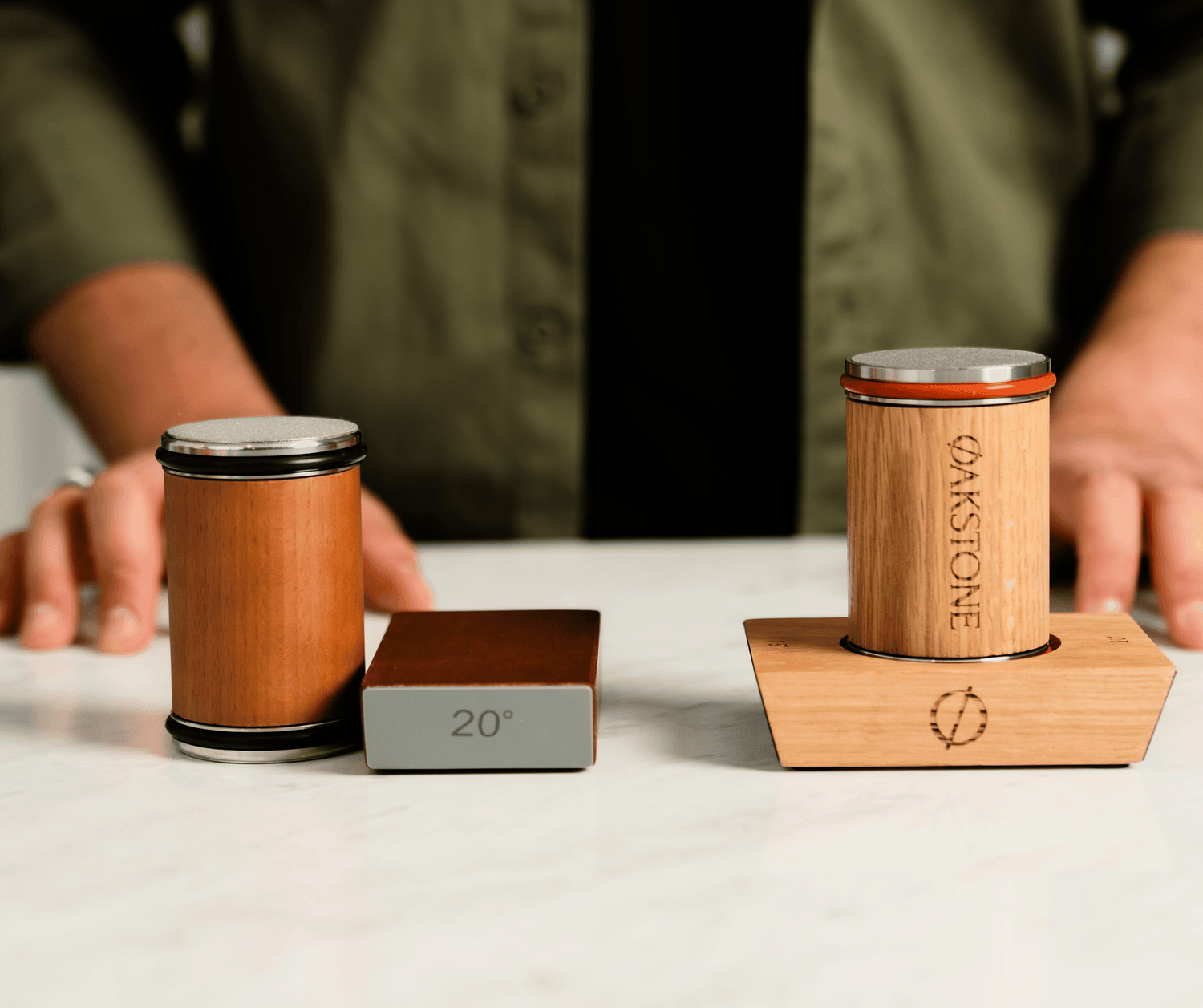
Vague Material Descriptions: A trustworthy brand is proud of its materials and will be specific. Be wary of vague terms like "hardwood" or "strong magnet." This often hides cheaper, softer woods or weak, generic magnets. We specifically chose solid oak for its durability and use a unique triple-layered N50 magnet system for its proven strength. Specificity is a hallmark of quality.
The 'Wobble Factor' (Weak Magnets): The most common complaint about cheap rolling sharpeners is a weak magnetic hold. If the knife wobbles on the base, it's impossible to maintain a consistent angle, resulting in a poor edge and a frustrating, unsafe experience. A quality sharpener should have an immediate, powerful grip that inspires confidence.
The 'Plastic Feel': Many clones use hidden plastic components in the roller or base to cut costs. This results in a tool that feels lightweight, flimsy, and is unlikely to last. Our "no plastic shortcuts" philosophy means every core component is solid wood or stainless steel, giving it the satisfying weight and durability of a true legacy tool.
Beyond the Product: Hallmarks of a Trustworthy Brand
True quality isn't just in the product; it's in the promise behind it. A reputable brand will have:
A clear mission and brand story.
Transparent and accessible customer support.
Helpful content like clear instructions and video tutorials to ensure you succeed.
A brand that invests in these areas is investing in its customers, not just making a quick sale.
They are often generic, mass-produced products made with lower-quality materials (cheaper wood, weaker magnets, plastic parts) and little to no quality control. The low price reflects the low investment in the product's durability and performance.
Look for patterns. Do multiple negative reviews across different "brands" of a similar-looking product mention the same flaws (e.g., "weak magnet," "arrived broken")? Look for "Verified Purchase" reviews that offer specific, balanced details rather than just generic praise.
Not always, but an unusually low price is often a red flag. A fair price reflects the use of premium materials, thoughtful engineering, and the backing of a responsible brand. It's about value, not just cost.
Because we designed it from the ground up to solve the problems the clones create. Every material choice, from the solid oak to the specific triple-layered N50 magnet system, was made intentionally to deliver a superior, more reliable, and longer-lasting tool for the Australian home cook.
Did you like this article? Spread the word!


Ready to Earn Your Edge?
Get Sharpening Secrets & Members-Only Perks
The insights you need to make smarter kitchen decisions.
Ready to Earn Your Edge?
Get Sharpening Secrets & Members-Only Perks
Chef-Grade Tools
For intentional Home Cooks
Designed in Adelaide, South Australia


